France Customer Case Refrigerated Grab and Go Vending with Weight Sensing
CUSTOMER CASE · FRANCE
A customer in France uses a refrigerated grab and go vending machine with weight sensing to offer drinks, yogurt, bread, pastries and packaged ready to eat food.

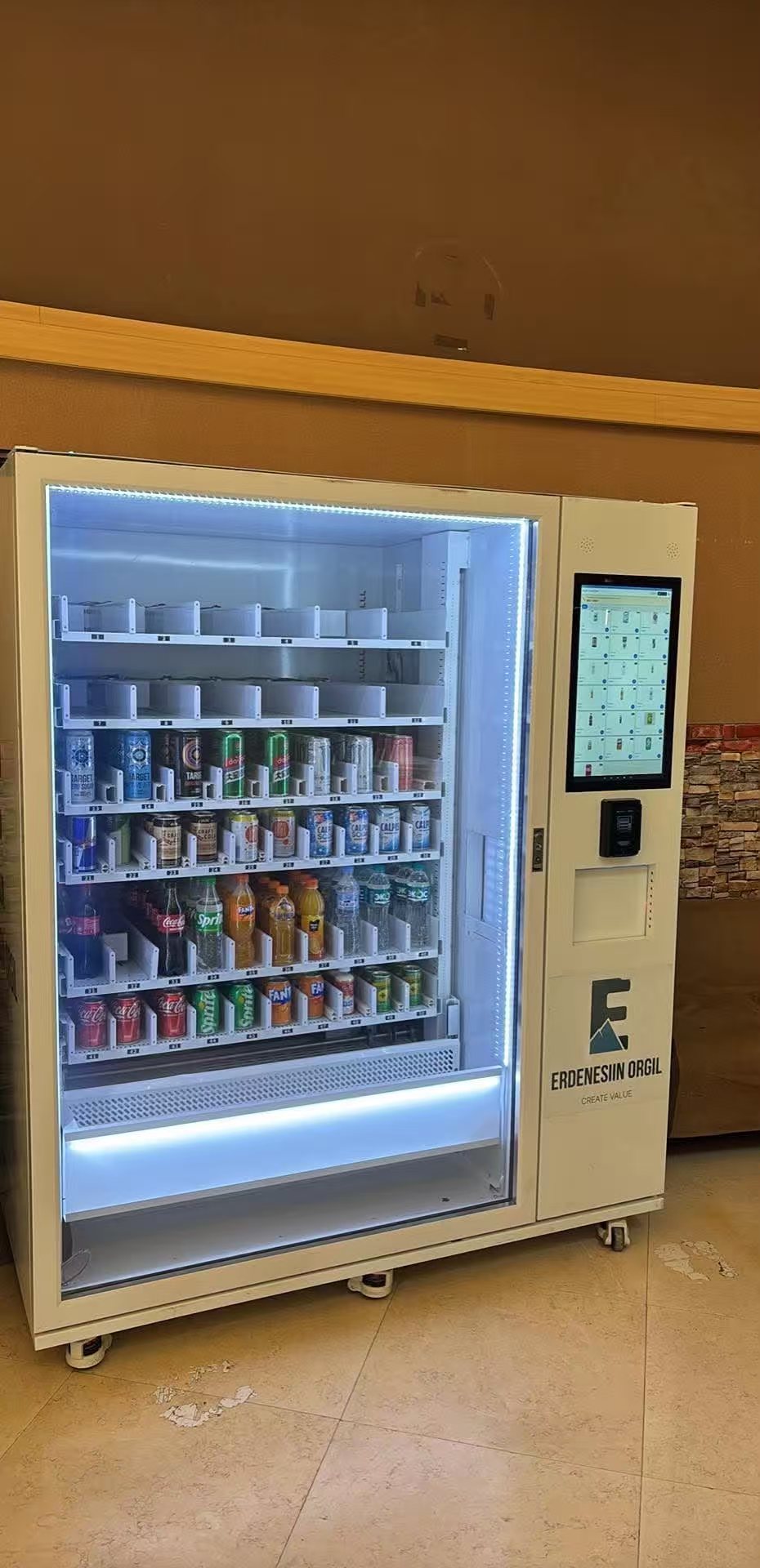
The French installation presents different refrigerated food and drink formats on open shelves.
Fresh and ready to eat products do not always fit the fixed channels used by conventional vending machines. Yogurt cups, sandwiches, bread, pastries and prepared meals come in different shapes and packages, and the assortment may change frequently.
For this project in France, the customer selected a WEIMI grab and go vending machine with weight sensing. The refrigerated cabinet holds drinks and several food categories on accessible shelves, allowing customers to take compatible items directly rather than waiting for a spiral or elevator to dispense each product.
A Food Assortment Built Around Everyday Purchases
The customer installation includes bottled and canned drinks, yogurt, packaged meals, bread, sandwiches, pastries and other prepared foods. This gives customers a choice between a quick drink, a snack and a more substantial ready to eat option from one cabinet.
The layout can be adjusted as demand changes because the shelves are not limited to one fixed spiral size for every stock keeping unit. Product dimensions, stable placement, packaging and required storage temperature still need to be checked before items are added.
The French case shows why grab and go vending is useful for mixed food formats: the operator can organize products on shelves instead of designing a separate dispensing channel for every package.
How Weight Sensing Supports Product Recognition
Weight sensing shelves monitor changes inside the cabinet. When a customer removes an item, the system uses the change in shelf weight as part of identifying what was taken. This supports the grab and go model because customers can pick products directly from the display.
Successful recognition depends on correct product data, shelf calibration, placement and system configuration. Similar product weights, moved items or unusual customer behavior may require specific rules and testing. Weight sensing should therefore be configured around the actual assortment rather than treated as an automatic guarantee of perfect identification.
A Simple Grab and Go Customer Journey
The large touchscreen can display instructions and product information to help customers understand the purchasing process. After the configured access and payment steps, the customer opens the cabinet, takes the desired items and closes the door. The system then processes the detected product changes according to its setup.
This open shelf experience is different from selecting a code and waiting for one product to drop. It allows customers to look closely at the available food and choose several compatible items during the same visit. The exact access method, payment flow and transaction logic should be confirmed for the destination market.
Refrigeration and Food Operation
The French project combines weight sensing with a refrigerated cabinet, supporting compatible chilled drinks and packaged food. Refrigeration is only one part of safe food operation. The operator remains responsible for selecting suitable products, maintaining required temperatures, rotating stock, cleaning the cabinet and following local food safety rules.
Depending on the management software, product dates, inventory and sales information may be recorded or monitored remotely. Expiration reminders can support daily work when configured, but they do not replace physical checks or the operator's food safety procedures.
Extending Food Availability Beyond Store Hours
A refrigerated self service cabinet can make selected products available when a staffed counter is closed. A bakery might offer packaged bread and pastries after normal opening hours; an office could provide drinks, yogurt and meals when no cafeteria service is available.
Hotels, workplaces, transport locations and commercial facilities are other potential settings for this format. These examples describe possible applications, not a claim that the French customer operates in every one of them. Site traffic, power, connectivity, food handling requirements and replenishment access should be assessed for each project.
What the France Project Demonstrates
This case illustrates how refrigeration, accessible shelves, weight sensing and a touchscreen interface can support a varied grab and go food offer. The customer is not limited to conventional snack bags and beverage cans; the cabinet also accommodates yogurt, bakery products and packaged ready to eat food shown in the installation.
For another operator, the correct configuration will depend on the intended products, package weights, temperature requirements, local food regulations, payment method and restocking process. Testing the real assortment before deployment is essential.
Conclusion
The French customer case provides a practical example of smart food vending beyond traditional dispensing channels. Weight sensing supports direct shelf access, refrigeration supports compatible chilled products, and the flexible interior lets the operator adapt the assortment to customer demand.
Planning a refrigerated grab and go project?
Share your product list, package data, temperature needs and operating plan with WEIMI for a configuration review.
Contact UsLuxembourg Customer Case Two in One CBD and Drinks Vending Machine
USA Customer Case Dual Cabinet AI Vending for Everyday Retail
Related Article