USA Customer Case Dual Cabinet AI Vending for Everyday Retail
CUSTOMER CASE · UNITED STATES
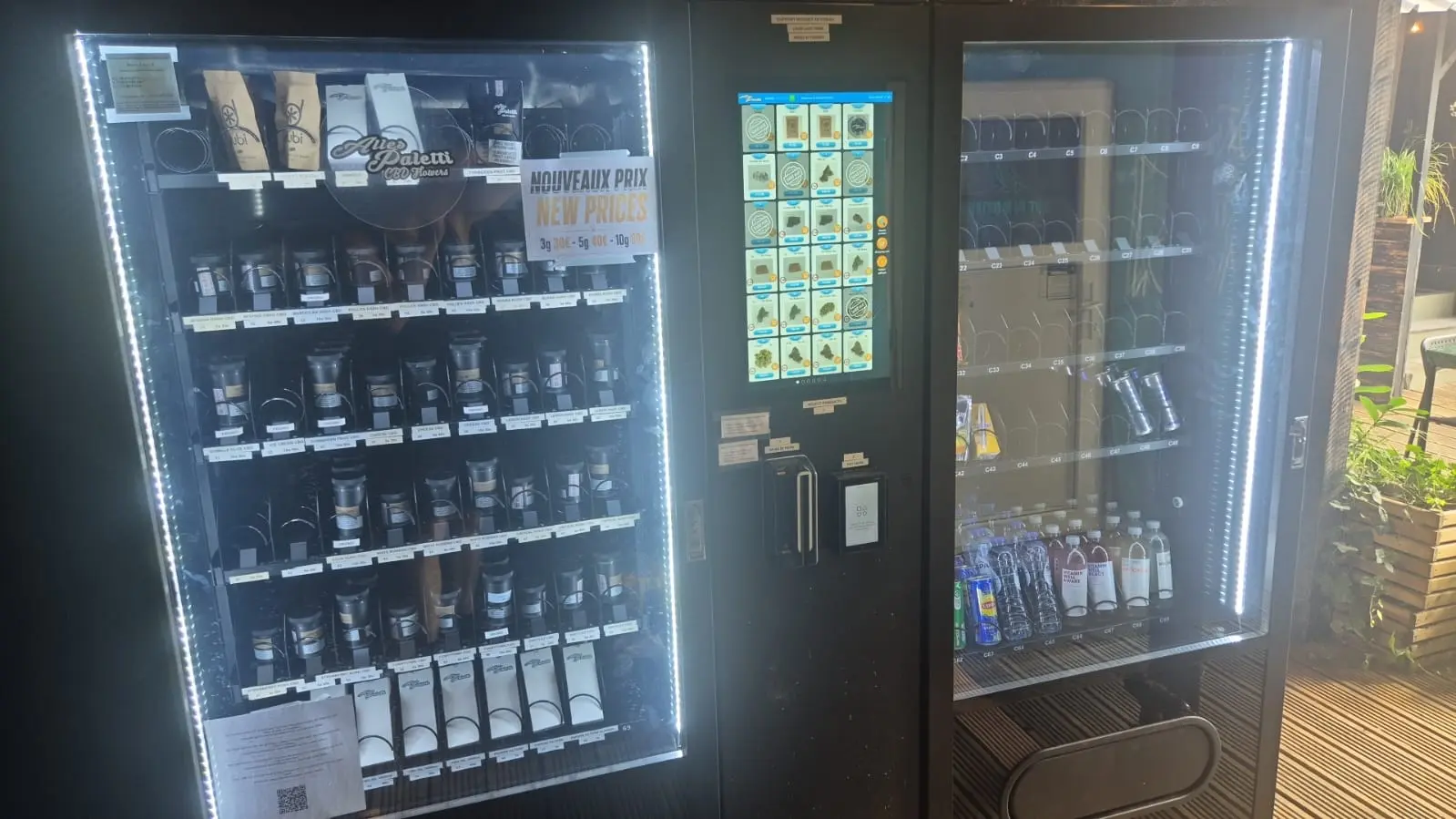
A U.S. customer installed a dual cabinet WEIMI AI vending machine indoors to offer snacks, drinks, packaged food and everyday necessities from one self service retail point.

The U.S. installation brings several packaged product categories together in a dual cabinet format.
A small self service point can give customers access to everyday products without requiring a conventional convenience store at every location. In this U.S. customer installation, a WEIMI AI vending machine is used indoors to present a broad selection of packaged goods in two connected cabinets.
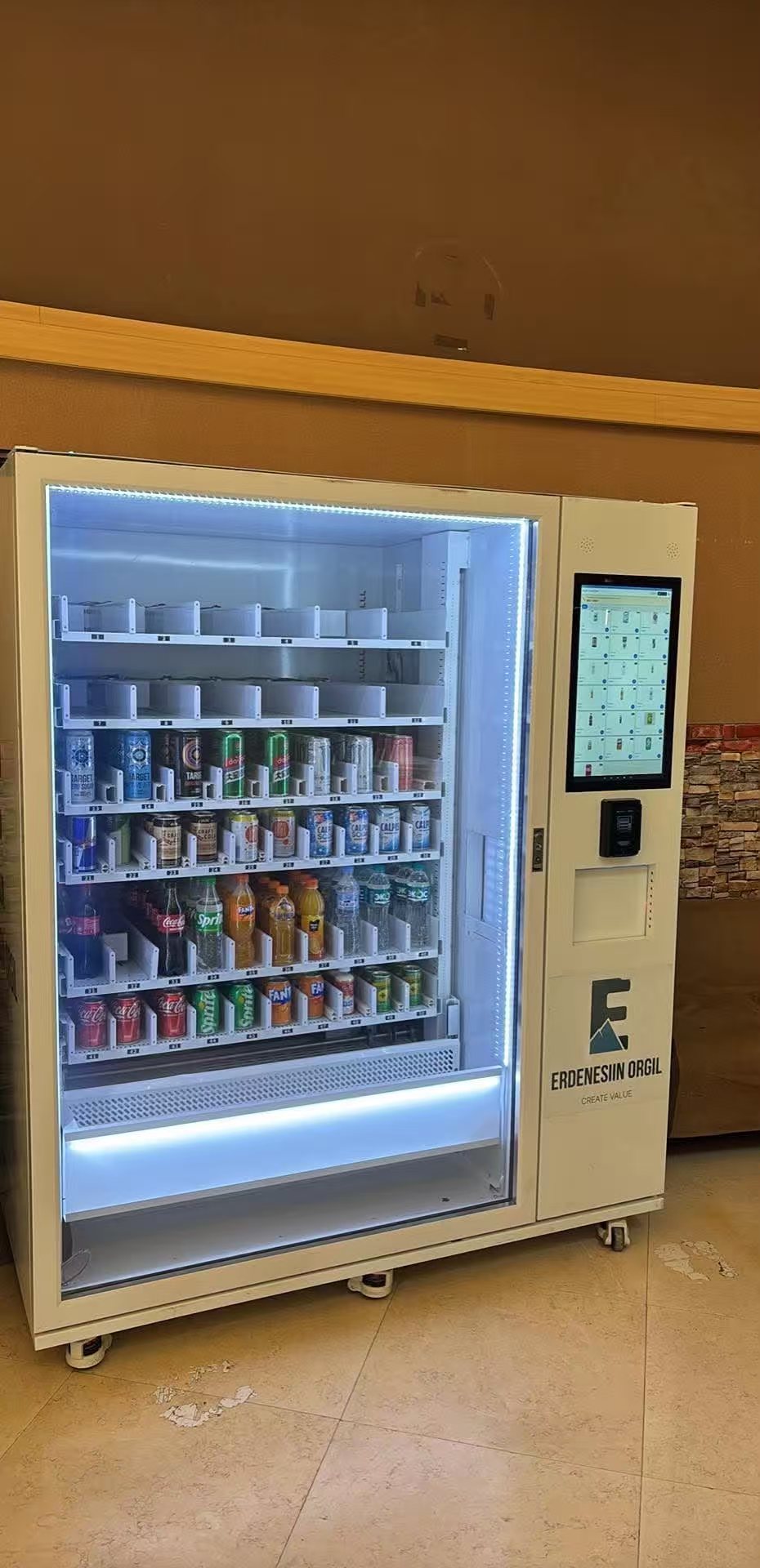
The project photograph shows snacks, beverages, food products, personal care items and other daily necessities. A large touchscreen sits alongside the product display, creating an interface for shopping information and instructions. The assortment can be planned around the people who use the particular site rather than limited to traditional drinks and snack bags.
A Broader Assortment in Two Cabinets
The dual cabinet layout provides separate shelf areas for different kinds of packaged products. An operator can organize drinks on one part of the display and use other shelves for snacks, food or small convenience items, depending on dimensions and storage requirements.
This flexibility matters because demand changes by location. An office, hotel, residential building or recreation site may each need a different mix. Those are possible applications of this format, not a claim that the U.S. customer has installed machines in every type of venue.
The lesson from the U.S. installation is that automated retail can be planned around a useful everyday assortment, not only a fixed set of conventional vending products.
What AI Recognition Can Add to Vending
In a configured AI vending system, cameras and recognition software can help identify the products a customer removes from the cabinet. The system can then use that information to prepare the transaction after the shopping session. This approach can reduce reliance on entering a separate product code for every item.
Recognition performance depends on the camera setup, product data, shelf layout, lighting and software calibration. The available case does not document a measured accuracy rate or the exact transaction sequence of this customer's installation. Those details should be tested and confirmed with the final products and payment provider.
The Touchscreen as a Shopping Guide
The large screen offers space for product information, customer instructions and approved promotional content. It can help first time users understand the machine's access and purchasing process while giving the operator a flexible way to present a changing assortment.
For this type of self service retail, clear instructions matter as much as the technology. The display should explain what customers need to do, how a transaction is completed and where they can get help. Language, payment and accessibility requirements should be reviewed for the actual site.
Retail Access Beyond a Staffed Counter
Once stocked and connected to the required systems, a vending point can provide access to products when a nearby staffed store is closed. This may be useful in buildings where people need snacks, drinks or essentials early in the morning, late at night or between regular retail hours.
Unattended does not mean maintenance free. The operator must still replenish products, clean the machine, handle service issues and review stock dates where applicable. Actual availability depends on site opening hours, machine status and the operating arrangements agreed for the location.
Managing a Mixed Product Range
A connected management platform may allow operators to review sales and inventory, update product information, adjust prices and monitor machine status remotely, depending on configuration. Such visibility can help an operator decide which items need replenishment or whether a product mix should change.
The machine's two cabinet design creates useful display capacity, but the final number of products depends on package sizes and shelf planning. Product fit, storage conditions, recognition data and any restricted product rules should be checked before a new category is introduced.
What This U.S. Customer Case Demonstrates
The installation shows a compact indoor retail point that combines a diverse physical display with a digital shopping interface. Its dual cabinets give the operator room to offer several everyday categories, while the configured AI system can support a more automated way of recognizing purchased items.
For another business considering AI vending in the United States, the right design will depend on the site, products, customer journey, payment integration and operating plan. The reference project does not provide sales figures, traffic counts or measured recognition results, so those outcomes should not be assumed.
Conclusion
This U.S. case illustrates how AI vending can go beyond a single category of snacks or drinks. A dual cabinet layout, visible product range and touchscreen interface can form a flexible self service point for food, beverages and everyday necessities, with recognition and management functions configured to fit the actual operation.
Planning an AI vending project?
Share your product list, site details, payment requirements and expected shopping flow with WEIMI for a configuration review.
Contact UsFrance Customer Case Refrigerated Grab and Go Vending with Weight Sensing
Smart Vending Cafe in Japan How 24/7 Automated Food Retail Is Redefining Convenience
Related Article