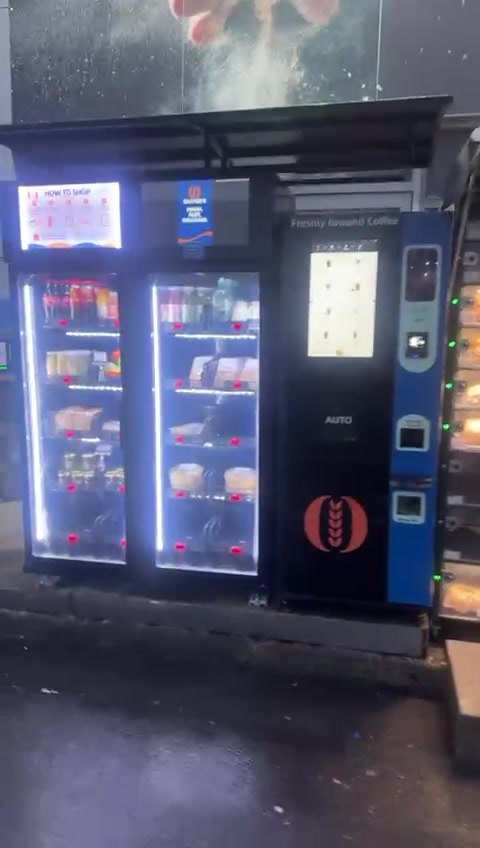
Smart Vending Cafe in Japan How 24/7 Automated Food Retail Is Redefining Convenience
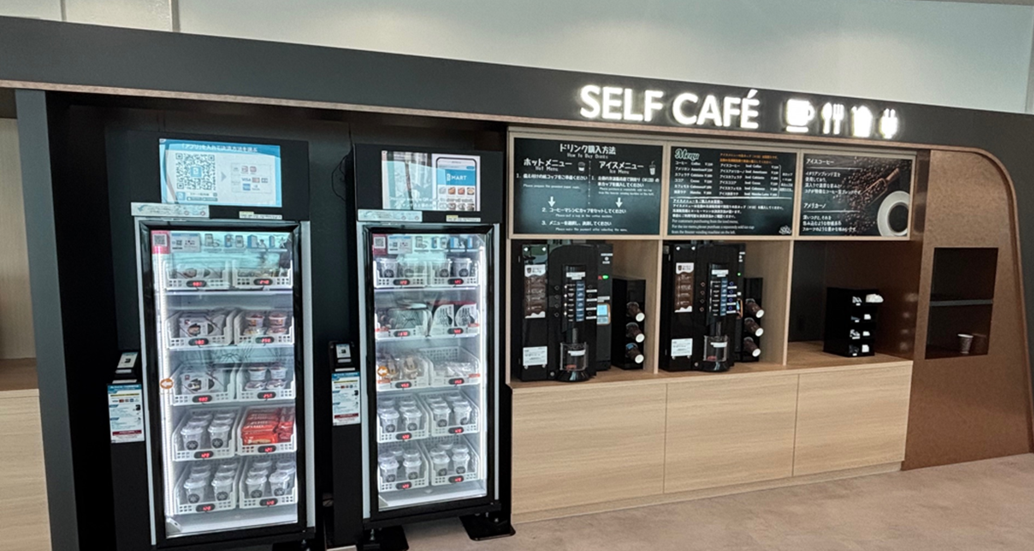
Japan has long been known as a global leader in vending culture. But today, something more advanced is happening—traditional vending machines are evolving into fully automated smart cafés.
Instead of just drinks or snacks, these smart setups now deliver a complete food retail experience, combining fresh meals, intelligent systems, and seamless customer interaction.
Why is this model gaining traction?
Because it solves three major problems at once:
- Rising labor costs
- Limited store operating hours
- Increasing demand for instant, contactless service
And in a market like Japan—where efficiency and convenience define consumer behavior—this transformation is happening fast.
From Vending Machine to "Micro Café"
A smart vending café is not just a machine—it's a compact, unmanned retail ecosystem.
Customers can:
- Browse products on a touchscreen
- Select meals, snacks, or drinks
- Pay instantly with cashless methods
- Receive their items in seconds
Everything feels closer to a convenience store—but without staff, queues, or time restrictions.
This shift reflects a broader trend: turning vending machines into small, self-sufficient retail spaces.
Why Japan Is the Perfect Testing Ground
Japan's retail environment makes it uniquely suited for smart vending café solutions.
1. Demand for Speed and Simplicity
Consumers expect fast service with minimal friction. Long waits or complicated processes are unacceptable.
2. Labor Shortages and High Costs
Retailers face increasing pressure from staffing challenges, making automation not just attractive—but necessary.
3. Strong Acceptance of Automation
From self-checkout systems to robotics, Japanese consumers are comfortable with technology-driven retail.
Even traditional vending models are being pushed to evolve, especially as consumers expect cashless payments and better user experiences.
Core Features of a Smart Vending Café
1. 24/7 Continuous Operation
Unlike traditional cafés, smart vending cafés never close.
They capture:
- Late-night demand
- Early morning commuters
- Off-peak impulse purchases
This alone unlocks hidden revenue that physical stores miss.
2. Intelligent Sales Optimization
Modern vending systems don't just sell—they analyze and optimize.
Key capabilities include:
- Dynamic pricing based on time or demand
- Real-time sales tracking
These features can significantly increase average order value and reduce unsold inventory.
3. Real-Time Inventory Management
One of the biggest advantages is visibility.
Operators can:
- Monitor stock levels remotely
- Track best-selling products
- Optimize restocking routes
This data-driven approach improves efficiency and prevents lost sales due to stockouts.
4. Contactless & Cashless Experience
Modern consumers prefer speed and hygiene.
Smart vending cafés support:
- Mobile payments
- Credit cards
This eliminates friction and aligns with changing consumer habits.
5. Built-In Marketing Engine
These machines are not just sales tools—they are also marketing platforms.
With digital screens, operators can:
- Promote best-selling items
- Run time-based promotions
- Display engaging visuals
Even small locations can attract attention and increase conversion rates.
Real Business Impact: More Than Just Convenience
The value of a smart vending café goes beyond customer experience—it directly impacts profitability.
Businesses benefit from:
- Reduced labor costs (no full-time staff required)
- Extended selling hours (24/7 revenue stream)
- Lower operational complexity
- Scalable deployment across multiple locations
In some cases, vending-based retail setups have reported double-digit sales growth and significant evening revenue contributions after replacing or supplementing traditional stores.
Where Smart Vending Cafés Work Best
This model is highly flexible and can be deployed in:
- Office buildings
- Train stations and metro hubs
- Residential communities
- Schools and campuses
- Hospitals
- Shopping malls
Anywhere with consistent foot traffic can become a profitable micro retail point.
The Bigger Trend: From Stores to Smart Retail Networks
What's happening in Japan is not just a local trend—it's a preview of global retail.
Smart vending cafés represent a shift from:
- Fixed, labor-heavy stores
- Flexible, automated retail networks
Instead of opening one large café, businesses can deploy multiple small smart units across a city—expanding reach without increasing operational burden.
Conclusion: The Future of Food Retail Is Always Open
The smart vending café model proves one thing clearly:
The future of food retail is not about bigger stores—it’s about smarter, always-on access.
By combining automation, data, and convenience, this model allows businesses to:
- Sell more
- Operate efficiently
- Adapt to modern consumer behavior
Japan is leading this transformation—but the opportunity is global.
For retailers, café owners, and entrepreneurs, the question is no longer if this model will grow—
…but how fast you can adopt it before competitors do.
WEIMI Double Door Gravity Cabinet for Fresh Food Retail in Ireland
Outdoor Snack Vending in Germany A Smarter Way to Sell Around the Clock
Related Article