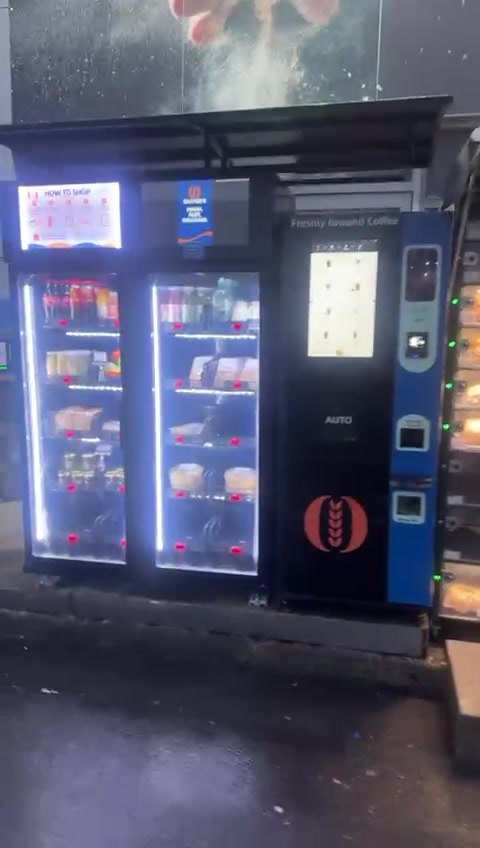
Outdoor Snack Vending in Germany A Smarter Way to Sell Around the Clock
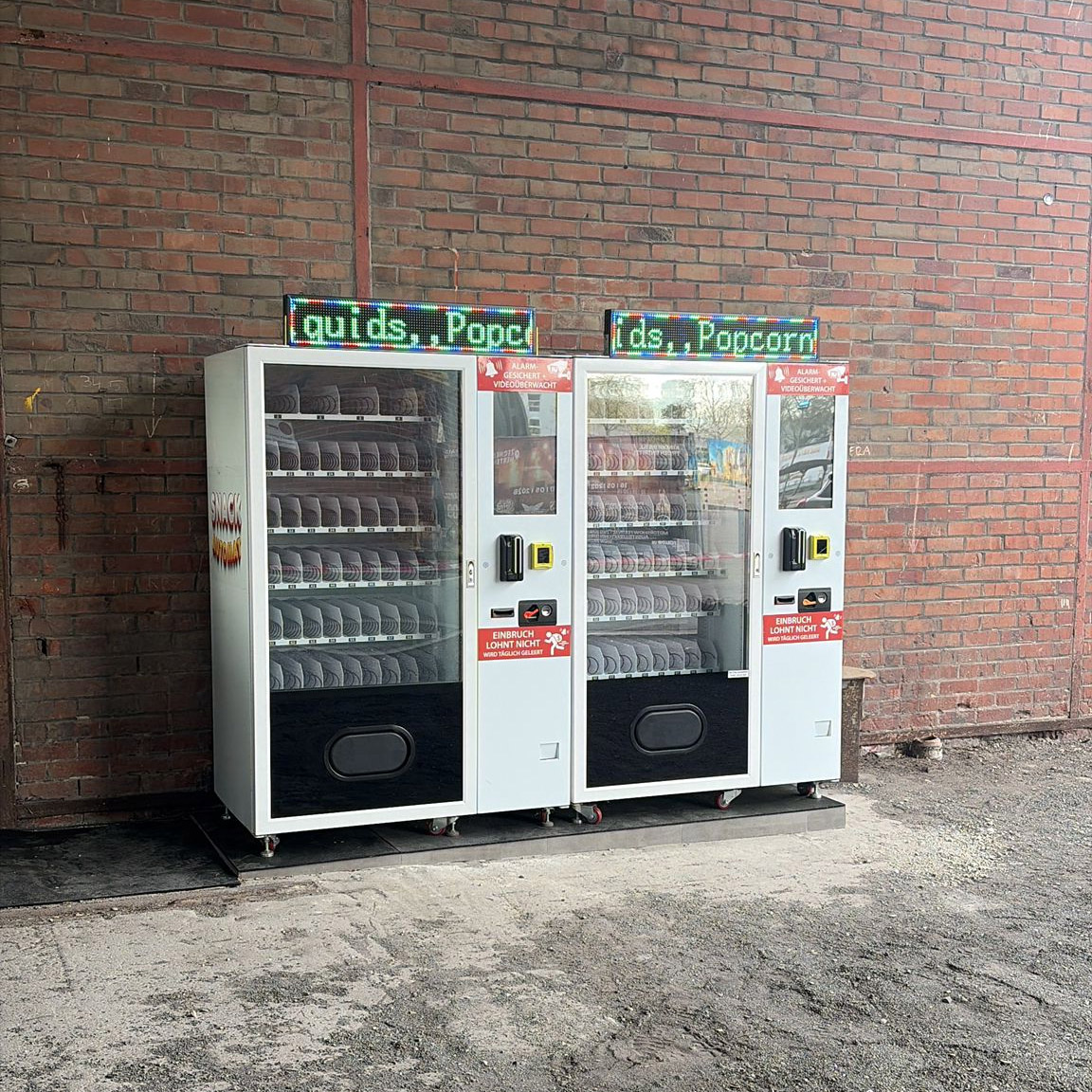
In Germany, convenience is no longer a luxury—it's an expectation. Whether it's commuters rushing through train stations or late-night pedestrians looking for a quick snack, consumers increasingly want instant access without waiting in line or depending on store hours.
This shift is one of the key reasons outdoor snack vending machines are gaining attention across the country. They are not just machines—they are becoming an extension of modern retail.
Why outdoor vending is gaining momentum in Germany
Germany's vending market is steadily expanding, driven by changing lifestyles and demand for fast, contactless shopping. The market reached nearly $1.86 billion in 2024 and continues to grow as consumers prioritize speed and accessibility.
Unlike traditional retail, vending machines operate without fixed opening hours. This alone creates a major advantage: sales continue even when stores are closed.
Outdoor placement takes this a step further. Instead of waiting for customers to enter a shop, businesses can position products directly where people already are—on streets, near transport hubs, or in residential areas.
The limitation of traditional store hours
Many small businesses in Germany still rely heavily on fixed schedules. But customer demand doesn’t follow a timetable.
Even well-located shops lose potential revenue after closing hours. Staffing limitations, labor costs, and operational complexity make it difficult to stay open late or run 24/7.
Outdoor snack vending machines solve this problem by turning idle hours into active selling time. Once installed, they continue operating day and night—without additional staffing.
Why outdoor machines are different from indoor ones
Placing a vending machine outdoors is not simply a matter of moving it outside. The environment introduces new challenges:
- Weather exposure such as rain, heat, and dust
- Increased risk of vandalism
- Greater maintenance requirements
- Temperature control for food quality
Standard machines are not designed for these conditions. Outdoor-ready models, however, are built specifically to handle them with reinforced structures and protective systems.
For example, modern outdoor machines often include weatherproof designs, secure locking systems, and stable temperature control to ensure reliable operation in different climates.
High-traffic locations unlock new revenue streams
One of the biggest advantages of outdoor vending is location flexibility.
Instead of relying on foot traffic inside a store, operators can place machines in areas with constant movement:
- Train and bus stations
- Parks and recreational areas
- University campuses
- Tourist attractions
- Residential communities
These locations generate continuous demand for quick snacks and drinks, especially when nearby stores are closed.
Outdoor vending turns these everyday locations into sales points—without the need for rent-heavy retail space.
Smart technology makes operations easier
Modern vending machines are no longer simple coin-operated boxes. In Germany, many machines now include smart features that improve both user experience and business efficiency.
Key capabilities include:
- Cashless payments such as cards and mobile wallets
- Real-time inventory tracking
- Remote management and pricing updates
- Data insights for product optimization
These technologies reduce manual work and allow operators to manage multiple machines efficiently from a single system.
For business owners, this means fewer site visits, better stock control, and more informed decisions about what products sell best.
A cost-effective way to expand without opening new stores
Opening a new physical shop in Germany can be expensive and time-consuming. Rent, staff, utilities, and regulations all add up quickly.
Outdoor vending offers a different path.
With a lower initial investment and minimal ongoing costs, businesses can expand their presence without the complexity of traditional retail. A single machine can act as a micro-store—operating independently while generating consistent income.
This model is especially attractive for:
- Snack and beverage brands
- Convenience store owners
- Local food producers
- Entrepreneurs testing new locations
What really determines success
Not every outdoor vending setup performs well. Success depends on several key factors:
Location selection is critical—high foot traffic usually leads to higher sales.
Machine quality matters—outdoor durability and stable performance reduce downtime.
Product mix should match the local audience—what sells in a train station may not work in a park.
Maintenance planning ensures the machine stays clean, stocked, and functional.
Operators who treat vending machines as a strategic retail channel—not just a side project—tend to see the best results.
Final thoughts
Outdoor snack vending machines are changing how retail works in Germany. They remove the limitations of store hours, reduce reliance on staff, and bring products closer to customers.
As consumer expectations continue to shift toward speed and convenience, businesses that adapt to this model are likely to stay ahead.
The real question is no longer whether vending machines can work outdoors.
It's how many extra hours of sales you're missing without them.

Smart Vending Cafe in Japan How 24/7 Automated Food Retail Is Redefining Convenience
Flower Vending in Indonesia A Smarter 24/7 Sales Channel
Related Article