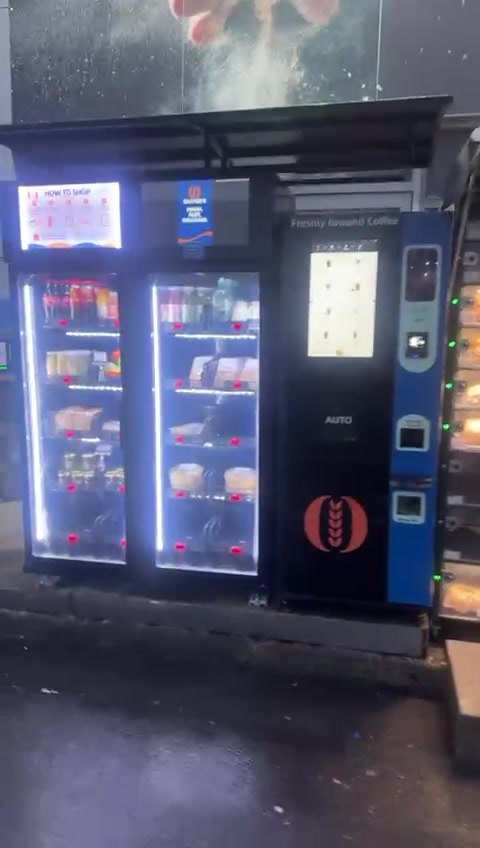
How to Launch a Successful Vending Machine Business

Venturing into the vending machine industry offers a unique blend of low overhead, flexible scaling, and the potential for high profits. Follow this step-by-step guide to establish and expand a thriving vending machine business.
1. Conduct Market Research and Identify Prime Locations
Before diving into purchases, it's critical to conduct market research to understand demand, trends, and local competition. Determine which types of vending machines and products are likely to succeed in your chosen area. Look for high-traffic zones where people are likely to make quick purchases, such as:
- Schools and universities: Ideal for snacks and drinks.
- Gyms and health clubs: Think sports drinks, protein bars, or even hygiene products.
- Hospitals and medical centers: Snacks, drinks, and possibly hygiene items are suitable.
- Corporate offices: Employees may seek convenient options for snacks or drinks during work hours.
Placing niche machines—like toy or blind box vending machines—in family-oriented or entertainment spaces can increase sales. Aligning products with the environment enhances both visibility and appeal.
2. Choose Products that Match Your Location and Audience
Selecting the right products is crucial. Common choices include snacks, beverages, hygiene products, and toys. However, there’s a rising demand for unique vending machine items, like:
- Flowers: For places like hospitals or airports where people may want a last-minute gift.
- High-tech gadgets: Consider locations with younger crowds, like universities or tech hubs.
- Customized items: Blind boxes, collector toys, or themed products (like anime models) can draw in a niche audience.
Unique products help set your vending business apart from others, offering a competitive advantage and potentially higher returns.
3. Calculate Startup Costs and Set a Realistic Budget
Outline your budget, considering both upfront and recurring expenses:
- Vending machine purchase: Depending on features and technology, vending machines vary widely in price.
- Product stock: Initial inventory costs will depend on the type of products you’re selling.
- Location fees: Some locations may require monthly rent or profit-sharing agreements.
- Permits and licenses: Health permits, business licenses, and other legal requirements can vary by location.
- Maintenance: Plan for repairs and upgrades to keep your machines running smoothly.
To manage risk, you might start with a single machine in a promising location, then reinvest profits into additional units as demand increases.
4. Decide Between Purchasing or Leasing Your Machines
Both buying and leasing have their advantages. Buying means higher upfront costs but complete control, while leasing offers flexibility with lower startup costs. Leasing may also come with services such as routine maintenance and customer support. Compare options to find what aligns best with your budget and long-term goals.
5. Obtain Required Permits and Ensure Compliance
Different locations and products may require specific permits, especially for food or beverages. Consult with local business authorities to learn about licensing, health codes, and safety standards for vending machines. Being compliant not only avoids fines but also builds a trustworthy reputation for your business.
6. Establish a Maintenance and Restocking Routine
A vending machine business thrives on customer satisfaction. Regular maintenance helps prevent breakdowns and ensures hygiene, while consistent restocking keeps popular items available. Track product turnover to set optimal restocking schedules that align with customer demand—this avoids both stockouts and overstock.
7. Market and Expand Your Vending Machine Business
Once operational, consider strategies to promote your vending machines:
- Eye-catching designs: Branded wraps and vibrant colors help your machines stand out.
- Promotions and discounts: Limited-time deals can attract more foot traffic.
- Strategic product adjustments: Use sales data to identify popular items and adapt your stock accordingly.
As you grow, think about expanding into new locations or experimenting with unique products. Each new placement or product offers insights into customer preferences and areas of growth.
Conclusion
Starting a vending machine business offers an accessible entry into entrepreneurship with scalable opportunities for expansion. By thoughtfully selecting locations, aligning products with customer demand, and managing costs, you can build a successful vending machine business that continually adapts to market needs. With dedication and strategic management, your business can flourish in this fast-paced, convenience-driven industry.
Exploring the Growing Trend of Pet Washing Vending Machines: A Cleaner Future for Furry Friends
The Advantages of smart fridges vending machine in Gyms
Related Article